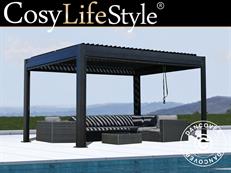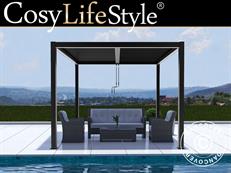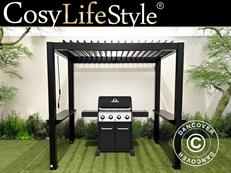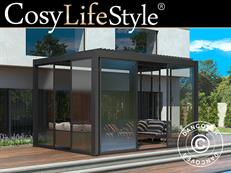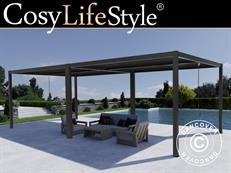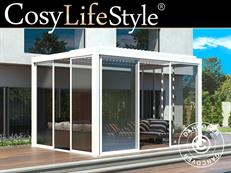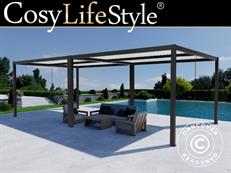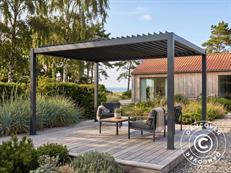
Bioclimatic pergolas
Bioclimatic pergolas – flexible outdoor living with an adjustable roof
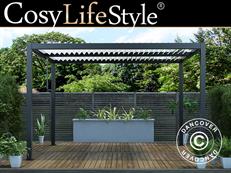
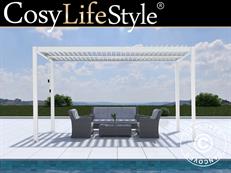
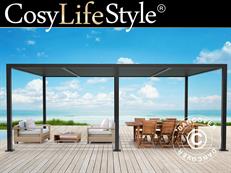
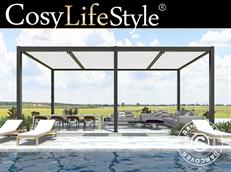
A bioclimatic pergola creates a flexible outdoor living space with a roof that can be adjusted according to the weather. The rotating louvres allow you to control sunlight, shade and ventilation, while the closed roof provides shelter from rain.
This makes a bioclimatic pergola particularly attractive for patios, terraces and garden areas where you want more control than a traditional fixed-roof gazebo can provide. It can create a comfortable setting for outdoor dining, lounge furniture, an outdoor kitchen or simply more time spent outside.
What is a bioclimatic pergola?
A bioclimatic pergola is a permanent or semi-permanent outdoor structure with an adjustable louvred roof.
When the louvres are open, sunlight and fresh air can enter the covered area. They can be angled to provide more shade while maintaining ventilation, or closed when greater shelter is needed.
Many models also use integrated drainage systems to direct rainwater away from the roof when the louvres are closed.
The main advantage is therefore not simply shelter, but the ability to adapt the roof to changing conditions throughout the day.
Bioclimatic pergola or traditional gazebo?
Both create attractive outdoor living areas, but they work differently.
A traditional [garden gazebo] normally provides a fixed level of shelter through a metal, polycarbonate or textile roof.
A bioclimatic pergola gives you greater control because the roof can be adjusted. You can let in sunlight when you want it, create shade during warmer periods and improve airflow without removing the roof altogether.
Choose a bioclimatic pergola if adaptability is a priority. Choose a fixed-roof gazebo if you prefer a simpler structure with permanent overhead shelter.
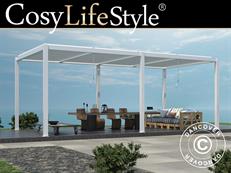
Create an outdoor dining or lounge area
Bioclimatic pergolas work particularly well where the covered area is intended to become a natural extension of everyday outdoor living.
Typical uses include:
- outdoor dining areas
- lounge and relaxation spaces
- outdoor kitchens
- hot tub and spa areas
- entertaining and social spaces
- restaurant and hospitality terraces
A freestanding pergola can create a separate destination in the garden, while wall-mounted models can provide a closer connection between the house and patio.
Think about furniture and movement through the space before choosing the size. A dining table, lounge furniture or outdoor kitchen may require more room than expected.
Make the pergola more comfortable
Accessories can make the covered area more useful in different conditions.
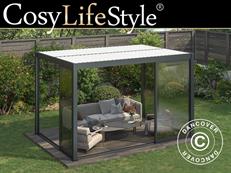
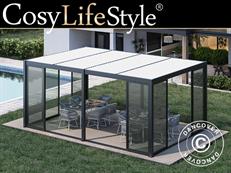
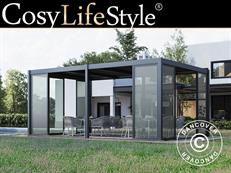
Depending on the model, options may include side screens, privacy panels, LED lighting and patio heaters.
Side screens can provide additional shelter and privacy, while lighting makes the space more inviting during the evening. A suitable heater can improve comfort when temperatures begin to fall.
Always check which accessories are compatible with the particular pergola before ordering.
Can a bioclimatic pergola stay outside all year?
Many aluminium bioclimatic pergolas are designed as permanent outdoor structures, but specifications vary between models.
The aluminium construction generally requires relatively little maintenance, although roof louvres, drainage channels and moving components should be kept clean and free from leaves and debris.
Weather resistance, wind and snow loads and winter preparation are product-specific. Always follow the instructions and technical specifications for the individual pergola rather than assuming that every model can withstand the same conditions.
A pergola can help extend the outdoor living season, but it should not be considered an enclosed or heated room.
Choose the right size and position
Start by considering what will happen underneath the pergola.
Allow enough space for furniture, comfortable circulation and any accessories such as side screens. Marking the dimensions on the patio or garden surface before ordering can help you visualise the finished area.
The structure should be installed on a suitable, stable and level surface according to the instructions.
Also consider sunlight, prevailing winds, privacy and the relationship between the pergola and your home. A good location can make the structure feel like a natural part of the garden rather than an addition placed wherever space happened to be available.
Bioclimatic pergola compared with other outdoor structures
A bioclimatic pergola is especially relevant when adjustable shade and ventilation are central to how you want to use the space.
A [metal-roof gazebo] provides permanent overhead shelter, while a [polycarbonate gazebo] combines a rigid roof with natural daylight.
A [wooden gazebo] offers a warmer and more traditional appearance, and a textile-roof gazebo provides a lighter and more seasonal solution.
If you want a fully enclosed space rather than an open outdoor structure, an [orangery] may be more appropriate.
The right choice depends on whether you prioritise adjustability, permanent shelter, architectural style or a more enclosed outdoor room.
Planning permission and installation
Planning requirements depend on the size, location and circumstances of the property.
Before installing a larger or permanent pergola, check the current rules that apply to your property, particularly if you live in a conservation area, own a listed building or have other planning restrictions.
Installation requirements also vary by model. Always follow the instructions regarding foundation, anchoring, assembly and clearances.
Frequently asked questions about bioclimatic pergolas
How does a bioclimatic pergola work?
The roof consists of adjustable louvres that can be opened, angled or closed to regulate sunlight, shade and airflow. When closed, the roof can provide shelter from rain, depending on the design of the individual model.
What is the difference between a bioclimatic pergola and a gazebo?
A gazebo generally has a fixed or textile roof, while a bioclimatic pergola has adjustable roof louvres that provide greater control over sunlight, shade and ventilation.
Do bioclimatic pergolas require much maintenance?
Aluminium models generally require relatively little maintenance. Regular cleaning and keeping drainage channels and moving components free from debris will help the structure function correctly.
Can you use a bioclimatic pergola throughout the year?
The structure can remain outdoors throughout the year when designed and installed for this purpose, but actual use depends on temperature, wind, snow and the specifications of the individual model. Side screens, lighting and heating can improve comfort during cooler periods.




-
 Excl freight cost
 Buy nowMembers´ PriceIn stock
 -
Excl freight cost
Buy nowMembers´ PriceIn stock
-
Excl freight cost
Buy nowMembers´ PriceIn stock
-
Excl freight cost
Buy nowMembers´ PriceIn stock
-
Excl freight cost
Buy nowMembers´ PriceIn stock
-
Excl freight cost
Buy nowMembers´ PriceIn stock
-
Excl freight cost
Buy nowMembers´ PriceIn stock
-
Excl freight cost
Buy nowMembers´ PriceIn stock
-
Excl freight cost
Buy nowMembers´ PriceIn stock
-
Excl freight cost
Buy nowMembers´ PriceIn stock
-
Excl freight cost
Buy nowMembers´ PriceIn stock
-
Excl freight cost
Buy nowMembers´ PriceIn stock
-
Excl freight cost
Buy nowMembers´ PriceIn stock
-
Excl freight cost
Buy nowMembers´ PriceIn stock
-
Excl freight cost
Buy nowMembers´ PriceIn stock
-
Excl freight cost
Buy nowMembers´ PriceIn stock
-
Excl freight cost
Buy nowMembers´ PriceIn stock
-
Excl freight cost
Buy nowMembers´ PriceIn stock
-
Excl freight cost
Buy nowMembers´ PriceIn stock
-
Excl freight cost
Buy nowMembers´ PriceIn stock
-
Excl freight cost
Buy nowMembers´ PriceIn stock
-
Excl freight cost
Buy nowMembers´ PriceIn stock
-
Excl freight cost
Buy nowMembers´ PriceIn stock
-
Excl freight cost
Buy nowMembers´ PriceIn stock