Urban Gardening
Urban gardening – create a green space in the city
Urban gardening is about making room for plants, flowers and home-grown food wherever you live. You do not need a traditional garden to enjoy growing your own herbs, vegetables or flowers – a balcony, patio, courtyard, rooftop or other small outdoor space can be enough to get started.
A few pots or a raised bed may be all you need for your first herbs and salads. With a little more room, a mini greenhouse, cold frame or lean-to greenhouse can extend the possibilities and provide plants with a more protected place to grow.
The important thing is not how much space you have, but how you choose to use it.
What is urban gardening?
Urban gardening – sometimes called city gardening – simply means growing plants in towns and cities where conventional garden space may be limited.
It can be as small as herbs in containers on a balcony or as ambitious as a shared courtyard filled with raised beds, greenhouses and different growing areas.
For some people, the goal is fresh herbs and vegetables close to the kitchen. For others, it is about flowers, greenery and creating a relaxing outdoor corner among buildings and busy streets. Often, it is a combination of both.
Start small and grow from there
One of the pleasures of urban gardening is that you can start with what you have.
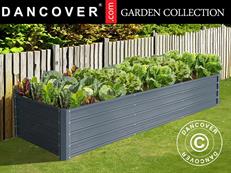
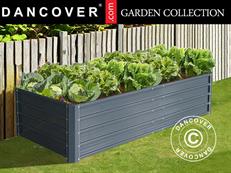
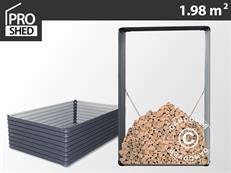
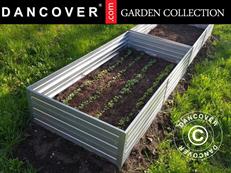
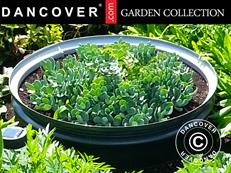
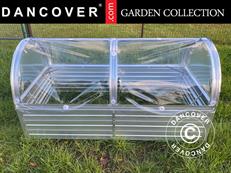
A sunny windowsill or balcony can accommodate herbs and smaller vegetables. A [raised garden bed] gives you a clearly defined growing area and can make planting, watering and maintenance easier.
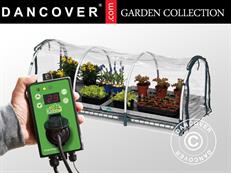
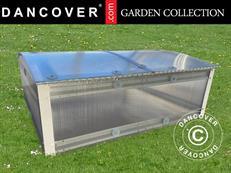
If you want additional protection for seedlings and young plants, [mini greenhouses and cold frames] provide useful growing space without requiring a large garden.
A [lean-to greenhouse] can be another good solution where there is a suitable wall and limited floor space, allowing you to create a more substantial growing area beside a house, patio or courtyard.
You do not need to create everything at once. An urban garden can develop gradually as your interest – and your plants – grow.
Make the most of balconies, patios and courtyards
Limited space encourages creative solutions.
Vertical planting, shelves, containers and raised beds allow you to use height as well as floor space. Herbs can grow close to an outdoor dining area, flowers can soften a balcony or courtyard, and compact vegetables can provide something fresh to harvest during the season.
Before adding larger planters or greenhouse structures to a balcony or rooftop, always consider the available space, wind exposure and how much weight the surface can safely support.
Where space allows, combining different growing levels and plant types can turn even a relatively small urban area into a lush and inviting place to spend time.
Larger city gardens and shared growing spaces
Urban gardening can also happen on a larger scale.
Courtyards, communal gardens, school grounds and other shared spaces can provide room for several raised beds, a [polycarbonate greenhouse], [polytunnel greenhouse] or other protected growing areas.
These spaces can serve more than one purpose. They can provide vegetables, herbs and flowers while also creating a place where people meet, learn and work together.
In schools and institutions, growing plants can offer a practical way to explore how food and plants develop. In workplaces or residential communities, a shared garden can become an informal meeting place and a welcome patch of green in the everyday surroundings.
Grow food – or simply create somewhere green
Urban gardening does not have to be about producing as much food as possible.
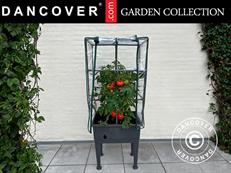
Growing your own tomatoes, salads, strawberries or herbs can be rewarding, especially when you can pick something fresh just before using it. But flowers, climbing plants and ornamental greenery can be equally valuable if your main goal is to create a more pleasant outdoor environment.
There is also something satisfying about following a plant from seed or small seedling to a mature flower or crop. Watering, pruning and harvesting provide a reason to spend a little more time outside and notice how the growing space changes through the seasons.
That experience is just as much a part of urban gardening as the harvest itself.
Protected and smart growing in small spaces
If you want more control over growing conditions, compact greenhouse solutions can help protect plants and extend the season.
Mini greenhouses and cold frames are useful for seedlings and smaller crops, while lean-to greenhouses provide more vertical growing space where a suitable wall is available.
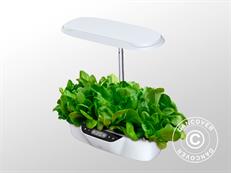
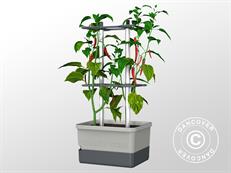
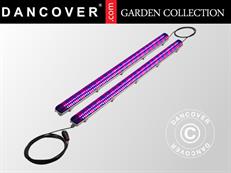
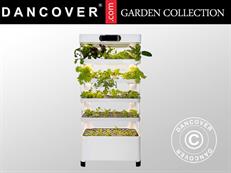
For indoor or highly space-efficient growing, [smart growing systems] and hydroponic solutions offer another approach. Instead of relying on a traditional garden bed, these systems can use integrated lighting and controlled watering to grow selected herbs and leafy crops in compact spaces.
Which solution makes sense depends on what you want to grow, the space available and how involved you want to be in the growing process.
Create an urban garden that suits your life
There is no single correct way to practise urban gardening.
You might want a few pots of herbs beside the kitchen, a balcony full of flowers, raised beds for vegetables or a complete greenhouse project in a courtyard. Start with the space, sunlight and time you have available, and choose plants that suit those conditions.
Think about practical details such as watering, drainage and access as well as appearance. Choosing a manageable setup makes it easier to enjoy looking after the plants rather than turning the garden into another task.
Over time, you can add new plants, containers, raised beds or protected growing areas as your experience and ambitions develop.
Frequently asked questions about urban gardening
What can you grow in an urban garden?
Herbs, salads, tomatoes, chillies, strawberries, flowers and many other plants can be suitable. The best choices depend on available space, sunlight, containers and the local growing conditions.
Can you start urban gardening on a balcony?
Yes. Pots, planters and compact growing solutions can make a balcony suitable for herbs, flowers and selected vegetables. Always consider available space, wind exposure, drainage and the safe load capacity of the balcony.
Do you need a greenhouse for urban gardening?
No. Many urban gardens begin with pots, containers or raised beds. A mini greenhouse, cold frame or lean-to greenhouse can be useful if you want more protected growing space or wish to extend the season.
Is urban gardening only about growing food?
No. Urban gardening can include flowers, ornamental plants and greenery as well as vegetables and herbs. Creating an enjoyable green space can be just as important as producing something to eat.




-
 Excl freight cost
 Buy nowMembers´ PriceIn stock
 -
Excl freight cost
Buy nowMembers´ PriceIn stock
-
Excl freight cost
Buy nowMembers´ PriceIn stock
-
-30%32.76 €22.93 €Excl freight cost
Buy nowIn stock
-
-30%38.46 €26.92 €Excl freight cost
Buy nowIn stock
-
Excl freight cost
Buy nowMembers´ PriceIn stock
-
Excl freight cost
Buy nowMembers´ PriceIn stock
-
Excl freight cost
Buy nowMembers´ PriceIn stock
-
Excl freight cost
Buy nowMembers´ PriceIn stock
-
Excl freight cost
Buy nowMembers´ PriceIn stock
-
-30%15.51 €10.86 €Excl freight cost
Buy nowIn stock
-
Excl freight cost
Buy nowMembers´ PriceIn stock
-
-30%18.22 €12.75 €Excl freight cost
Buy nowIn stock
-
Excl freight cost
Buy nowMembers´ PriceIn stock
-
Excl freight cost
Buy nowMembers´ PriceIn stock
-
-70%136.74 €41.02 €Excl freight cost
Buy nowIn stock
-
Excl freight cost
Buy nowMembers´ PriceIn stock
-
Excl freight cost
Buy nowMembers´ PriceIn stock
-
Excl freight cost
Buy nowMembers´ PriceIn stock
-
Excl freight cost
Buy nowMembers´ PriceIn stock
-
-30%15.51 €10.86 €Excl freight cost
Buy nowIn stock
-
-40%331.53 €198.92 €Excl freight cost
Buy nowIn stock
-
-38%340.41 €211.05 €Excl freight cost
Buy nowIn stock
-
Excl freight cost
Buy nowMembers´ PriceRemote stock