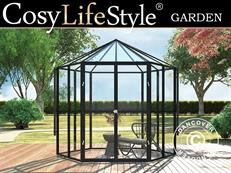
Orangeries
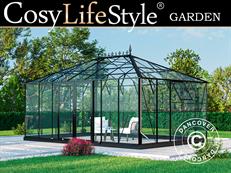
Orangeries – growing space and garden living combined
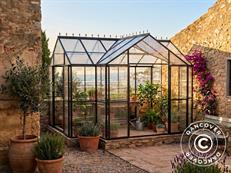
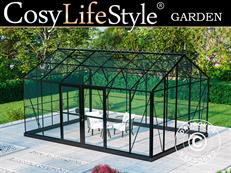
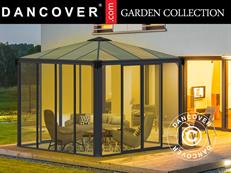
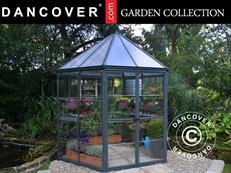
An orangery combines the bright, sheltered environment of a greenhouse with additional room for seating, dining and relaxation. It allows you to grow flowers, herbs, vegetables and other plants while creating an inviting place to enjoy the garden when the weather is less favourable.
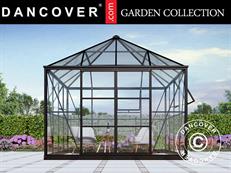
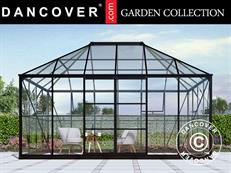
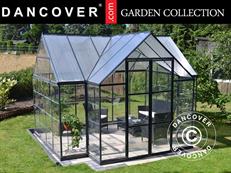
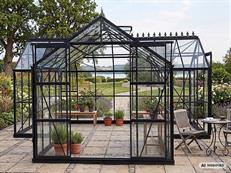
Partytent.com offers orangeries in different sizes, shapes and materials. The range includes models in glass or polycarbonate as well as designs that combine a polycarbonate roof with tempered glass sides.
What is an orangery?
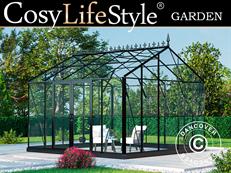
Orangeries were originally built to protect citrus trees and other exotic plants in colder climates. Today, a garden orangery is a versatile, freestanding structure that can accommodate both plants and furniture.
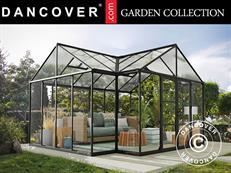
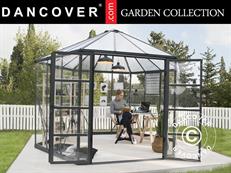
Compared with a greenhouse designed mainly for cultivation, an orangery generally places greater emphasis on interior space, appearance and comfortable access. You can dedicate one area to tomatoes, chillies, herbs, flowers or citrus plants and use another for a dining table, chairs or a small lounge arrangement.
An orangery should not be confused with an insulated extension or a fully equipped living room. Comfort and growing conditions will still depend on the season, ventilation, insulation and any heating used.
Glass, polycarbonate or a combination?
The right material depends on the appearance and practical qualities you prefer.
Polycarbonate is lightweight, impact-resistant and relatively easy to maintain. Depending on the model, twin-wall roof panels can provide useful insulation and diffuse strong sunlight.
Glass offers excellent transparency, clear views of the garden and the traditional greenhouse appearance. Some Partytent.com models use tempered glass for increased strength and safety.
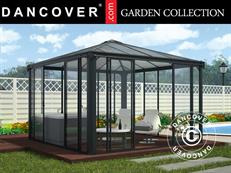
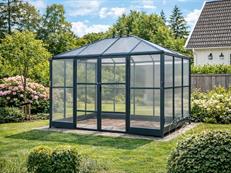
Combined models bring together qualities from both materials. A polycarbonate roof can provide a robust, light-diffusing covering, while glass sides maintain clear views of the surrounding garden.
Materials, panel thickness and construction vary, so always check the specifications of the individual model.
Orangery or greenhouse – which should you choose?
Choose an orangery if you want to combine growing plants with comfortable seating and an attractive focal point in the garden.
A traditional greenhouse is generally the better choice if efficient cultivation is your main priority. A polycarbonate greenhouse combines durability, useful insulation and relatively low maintenance, while a glass greenhouse provides excellent transparency and a classic appearance.
If you primarily need a large and economical growing area, a polytunnel greenhouse may be more suitable. The best solution depends on your available space, what you want to grow and whether the structure will also be used for relaxation or dining.
Choose the right size, shape and location
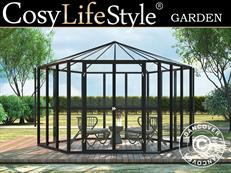
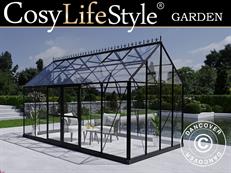
Partytent.com orangeries are available in several designs, including rectangular, hexagonal and T-shaped models. Consider both the available garden space and how you want to arrange the interior.
Before choosing, compare:
-
total floor area and interior height
-
door width and ease of access
-
panel and frame materials
-
number and position of ventilation windows
-
whether a base is included
-
stated snow and wind loads
Plants, pots, shelving and furniture can quickly occupy more space than expected. Allow sufficient room to move comfortably and to change the layout later.
Place the orangery on a stable, level base with plenty of daylight and convenient access. A reasonably sheltered position can reduce exposure to strong wind, but avoid unnecessary shade from buildings and large trees. Access to water is useful, while electricity may be practical for suitable lighting or heating.
Ventilation and seasonal use
Temperatures can rise quickly inside a glass or polycarbonate structure. Ventilation windows and doors allow warm air to escape and help regulate temperature and humidity. Shade may also be useful during very sunny periods.
Suitable heating can make the space more comfortable when temperatures fall, but an unheated orangery is not automatically frost-free or suitable as a comfortable living space throughout the year. Overwintering sensitive plants may require insulation, heating or additional light.
Always use heating and electrical equipment suitable for the location and follow the relevant safety instructions.
Foundation, assembly and maintenance
Correct installation is essential for stability and everyday use. Prepare a suitable level base, assemble the orangery according to the instructions and anchor it as specified for the individual model. Larger structures will normally require several people during assembly.
Check the stated wind and snow loads and prepare doors, windows and automatic openers appropriately before winter. Avoid locations where snow or branches could fall onto the structure from nearby buildings or trees.
Clean the glass or polycarbonate panels when necessary, and periodically check the frame, doors, windows, fixings, seals and any fitted gutters.
Find the right orangery at Partytent.com
Explore Partytent.com’s selection of orangeries and compare size, shape, materials, ventilation and access. If you need help choosing a model for your garden, growing plans and preferred use, our experts are ready to advise you by phone, e-mail or chat.




-
 Excl freight cost
 Buy nowMembers´ PriceRemote stock
 -
Excl freight cost
Buy nowMembers´ PriceRemote stock
-
-40%2.433,92 €1.460,35 €Excl freight cost
Buy nowIn stock
-
Excl freight cost
Buy nowMembers´ PriceIn stock
-
Excl freight cost
Buy nowMembers´ PriceIn stock
-
Excl freight cost
Buy nowMembers´ PriceIn stock
-
-30%488,13 €341,69 €Excl freight cost
Buy nowIn stock
-
Excl freight cost
Buy nowMembers´ PriceIn stock
-
Excl freight cost
Buy nowMembers´ PriceIn stock
-
Excl freight cost
Buy nowMembers´ PriceIn stock
-
Excl freight cost
Buy nowMembers´ PriceIn stock
-
Excl freight cost
Buy nowMembers´ PriceIn stock
-
-40%7.064,95 €4.238,96 €Excl freight cost
Buy nowIn stock
-
-30%5.623,45 €3.936,42 €Excl freight cost
Buy nowIn stock
-
Excl freight cost
Buy nowMembers´ PriceIn stock
-
4.025,54 €Excl freight cost
Buy nowRemote stock
-
1.188,16 €Excl freight cost
Buy nowRemote stock
-
Excl freight cost
Buy nowMembers´ PriceRemote stock
-
Excl freight cost
Buy nowPre-orderBack in stock: 15/1/2027
-
Excl freight cost
Buy nowPre-orderBack in stock: 1/2/2027